




Of all the stages in restoring water damage, drying the structure counts most, and it is the stage most often botched by people without training. Once standing water has been extracted, a great deal of moisture is still held inside the structure: in insulation, concrete, subfloors, wood framing, drywall and other components. A structure left wet ends up with odors, wood rot, mold and failing materials, so the moisture has to be removed in a scientific way using dehumidification and controlled evaporation.
Psychrometry is the science of how air temperature, humidity and moisture interact, and the IICRC-certified technicians who dry structures for Hagerstown Restoration know it well. For each job they apply it to calculate airflow patterns, temperature settings and the placement of equipment that will give the best conditions for evaporation. Because hardwood, drywall, plaster and concrete do not dry at the same speed, the method has to change with the material to bring it to acceptable moisture content without harming it further.
Every day of the drying process, we check moisture using thermal imaging cameras, thermo-hygrometers and calibrated moisture meters. The result is a detailed log of readings that tracks how moisture comes down over time in each material that got wet. Those readings guide daily equipment adjustments that keep the drying as efficient as it can be. We call a job dry when every affected material meets the moisture standard in the IICRC S500 guidelines, and never just because a surface feels dry.
Structural Drying FAQ
Need Help With Structural Drying?
Our IICRC-certified technicians are standing by to help.
Call (940) 236-9948 NowHow to Tell You Need Structural Drying
Catching these issues early helps you avoid costly problems and protect your property. Here are the most common indicators that it's time to call a professional:
- After water damage, a meter shows elevated moisture in the floor, wall or ceiling
- No visible water left, yet walls or floors still feel cold and damp
- Swollen trim and baseboards separating at the seams
- Musty odors that continue after extraction, which suggests trapped moisture
- Beads of moisture on windows and cold surfaces after the water event
- High humidity in affected areas despite efforts to ventilate
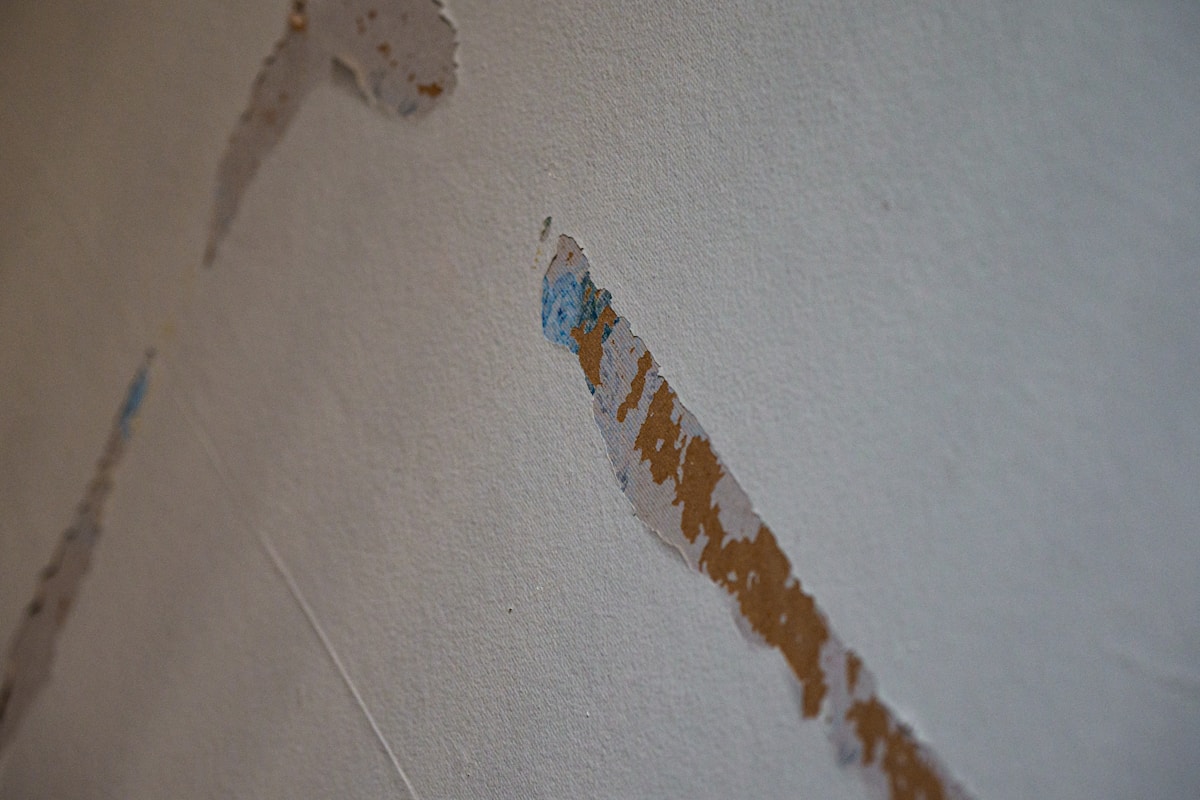
- Wallboard with water stains, puffiness or a spongy feel
Act Before It Gets Worse
Many water damage problems start small but can escalate quickly into costly emergencies. Call Hagerstown Restoration at (940) 236-9948 at the first sign of trouble.
Why Hire a Professional for Structural Drying?
Drying a structure properly takes science, and guesswork has no place in it. Secondary mold damage most often traces back to someone who put down fans and hoped things would dry. Professional structural drying requires understanding how different materials absorb and release moisture, calculating the grain depression (moisture removal capacity) each situation needs, and monitoring daily to confirm drying is progressing properly. Get it wrong in one direction and mold feeds on leftover moisture, get it wrong in the other and wood or similar materials are damaged by over-drying.
Consumer products and the equipment professionals dry structures with have very little in common. A commercial LGR dehumidifier, short for low-grain refrigerant, pulls 10 to 20 times as much moisture out of the air as a residential one, while high-velocity air movers set up the exact airflow that speeds evaporation off structural surfaces. This equipment represents a significant investment and requires training to deploy effectively, both reasons why professional drying produces far better outcomes than DIY attempts.
Comparing DIY and Professional Structural Drying
While some minor restoration tasks can be handled by handy homeowners, most water damage work requires professional expertise, specialized equipment, and proper safety training. Consider the following comparison:
| Factor | DIY Approach | Professional Service |
|---|---|---|
| Drying Time | Can drag on for weeks | 3 to 5 days with proper commercial equipment |
| Material Damage | No control over how fast materials dry | Drying rate matched to each material |
| Mold Prevention | Leftover moisture often leads to mold | Verified drying to IICRC standards |
| Method | Guessing when things are dry | Temperature, humidity and airflow calculated per job |
| Records | No proof of proper drying | A full drying log for your insurer |
Questions About Structural Drying?
Our experienced technicians can assess your situation and recommend the best solution.
Get Help: (940) 236-9948Structural Drying Prevention Tips
Taking preventive measures can help you avoid costly water damage issues down the road. Follow these tips from our IICRC-certified technicians:
- If a new damp spot or smell shows up while drying is underway, let the technician know at once
- Leave equipment where the technician placed it, since positions are based on the moisture map
- Do not turn off professional drying equipment to reduce noise, because every hour matters
- The sooner drying starts after water gets in, the better things turn out, so do not wait
- Trust the moisture meter readings, because surfaces can feel dry while moisture remains deep in materials
- Daily monitoring only works if someone can let the technician into the property
What to Expect From Our Structural Drying
We follow a proven process to ensure every job is completed to the highest standards. Here's what you can expect when you choose Hagerstown Restoration:
Mapping the Moisture
We build a complete moisture map of every affected area with hygrometers, thermal imaging and moisture meters. This map guides equipment placement and establishes baseline readings.
Equipment Deployment
Our crew sets up high-velocity air movers along with commercial LGR units in the positions the moisture map calls for. Temperature and airflow are optimized for the specific materials being dried.
Daily Checks and Adjustments
A technician comes back every day, reads moisture at each monitoring point, moves equipment as needed and logs the progress. Along the way, we tell you where the drying schedule stands.
Dry Standard Verification
When moisture readings reach acceptable levels throughout all affected materials, we document final readings, remove equipment and certify that your property has reached dry standard.
Get Structural Drying Help Today
Don't let water damage problems get worse. Call Hagerstown Restoration now for prompt, professional service.
Get Help: (940) 236-9948